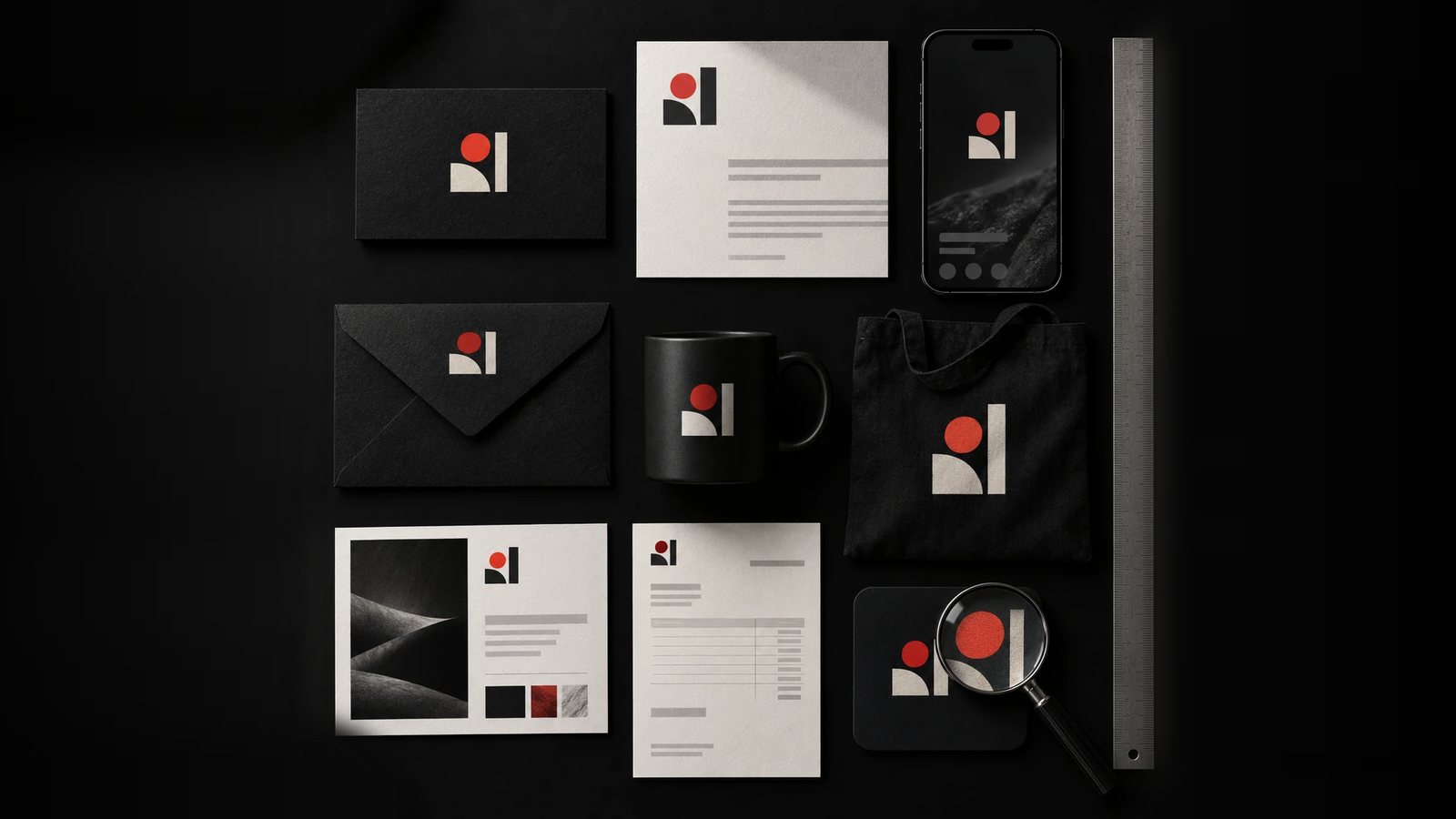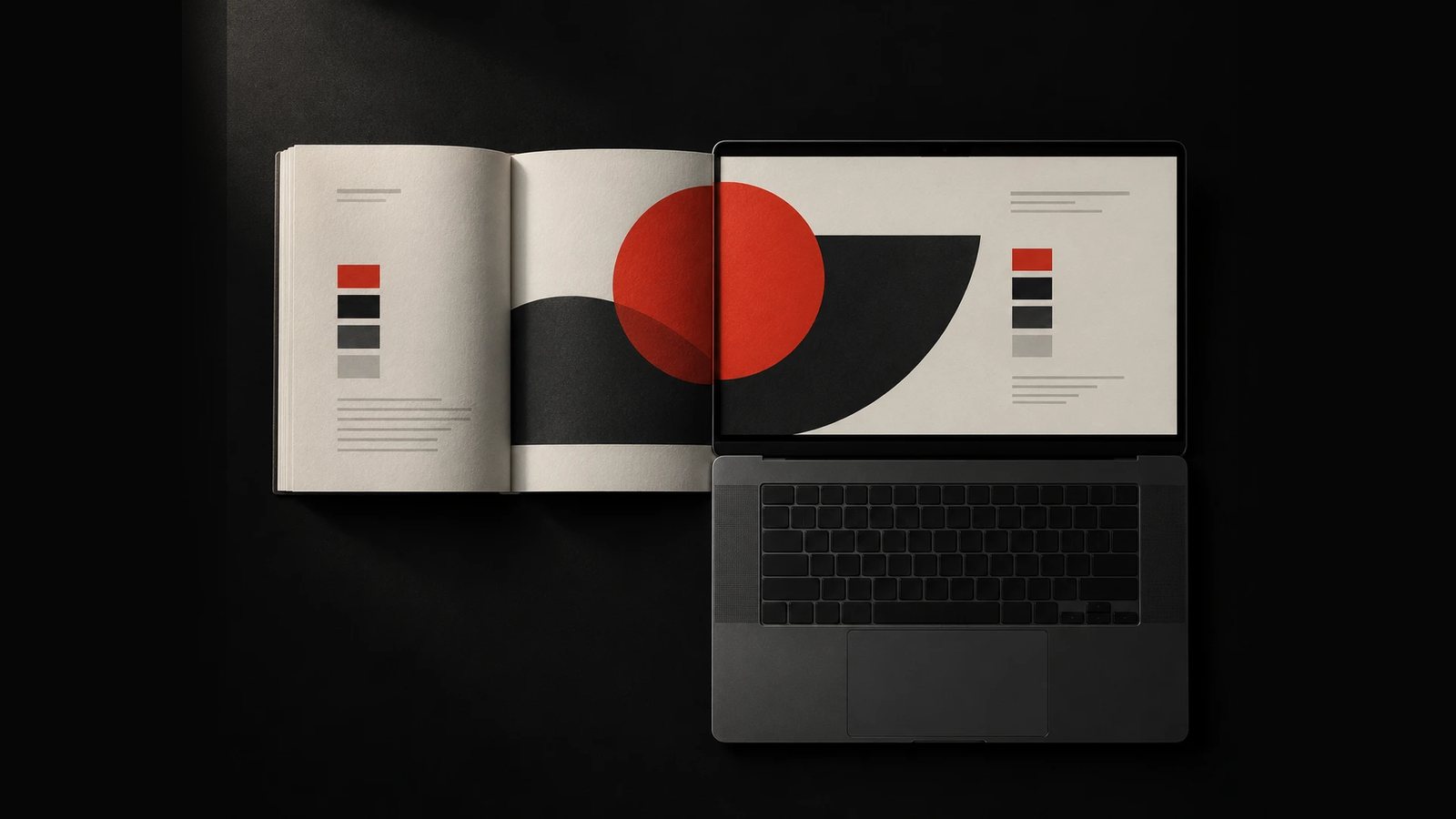
An identity delivered as a PDF of guidelines is a promise. The website is where that promise is either kept or quietly broken.
What a guideline document can’t tell you
A brand guideline describes a mark in isolation: here is the logo, here is the palette, here is the clear space around it. It does not describe how that palette reads against a 4.5:1 contrast requirement on a form field, how the display typeface performs set as sixteen-pixel body copy, or what happens to a six-colour system once it has to sit behind a checkout flow instead of a business card. Nobody answers those questions when the identity is approved, because they are web questions. Whoever inherits the PDF has to answer them anyway, usually without knowing why the brand looks the way it does in the first place.
What changes when the same team does both
On Online Speechie, the identity took 5 weeks. The website took about 3 months after that: a home page, then the Language Check-in, Clinic, Activity Library, Guides and Programs pages, a product page template and mobile layouts, plus a set of custom icons. The client asked to see the identity on a real page before locking the style guide, so we built the home page first and let that decide a few things the guideline hadn’t settled yet. Partway through, the Programs page felt busy under the full system, so we moved it to a simpler layout. The client’s reaction was that it was much clearer.
Neither of those moves is available to a developer working from a finished PDF. A web team that only inherits a guideline doesn’t get to ask the brand side to loosen a rule because it isn’t working on a real page. They either follow the document or they quietly work around it, and either way the site stops matching what the identity intended.
Brand decisions don’t survive first contact with a build unchanged
A revision at this stage means a system built on paper has met a real product, and on every project we’ve run, something gets revisited once the build starts. On Sovato, a remote-surgery startup, the palette was tested again once it existed as hex values inside a software interface rather than a slide deck, and we found some of the client’s own brand colour codes didn’t match their stated RGB values, so we corrected them before anything shipped. On The Human Experience Co., the brand’s new teal got checked directly against a named competitor’s teal once both existed as real screens side by side: ours sits on the green side, theirs leans blue, a distinction nobody would have caught comparing swatches.
Decisions like that need someone with the authority to change a brand rule mid-build. That authority doesn’t exist when the identity and the website are two separate contracts with two separate sign-offs.
The actual argument for one team
The case for a single team is that the same two people who wrote the brand strategy are still in the room when the build surfaces a problem the strategy didn’t anticipate, and can change the rule instead of defending it. That’s also why it’s faster: brand identity alone runs 3 to 5 weeks here, a website alone runs 4 to 6, and the two together run 7 to 9, not 7 to 11. The time saved comes from not having to re-explain the brief to a second team.
What to ask before you split the work
If your identity and your website are already being built by separate vendors, there’s one question worth asking before the build goes further: who has the authority to change a brand decision once it’s tested against a real page. If the honest answer is nobody, that’s the seam, and it will show up in the finished site whether or not anyone planned for it. It’s also the reason we scope brand and web together from the start rather than handing a finished guideline to whoever builds next.